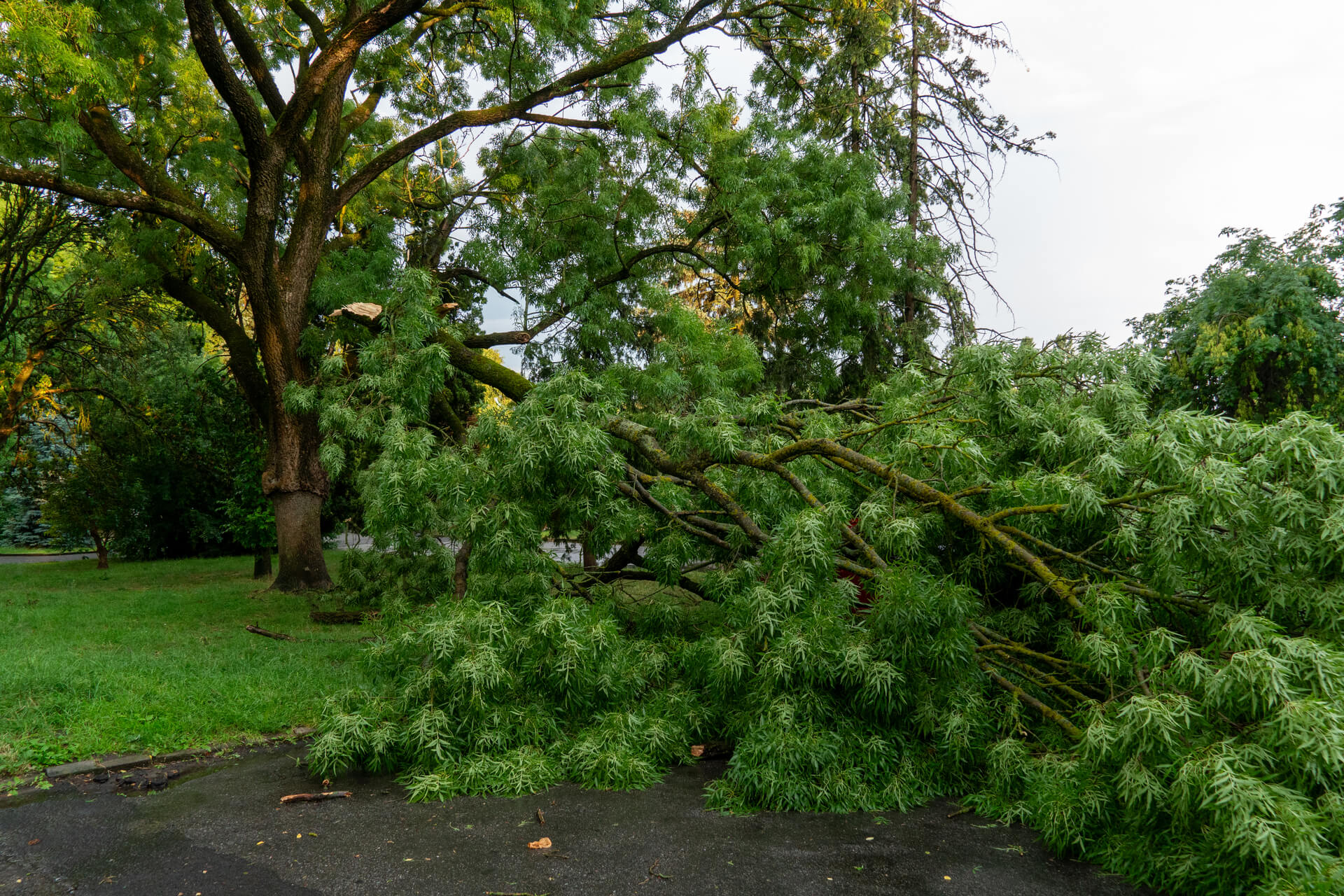
Who Pays If a Tree Falls on Your Car — and It Wasn’t Your Tree?

by Erin Anderson
Few things are more frustrating than coming back to your car to find it crushed or damaged by a fallen tree — especially when it wasn’t even your tree. From broken windshields to dented roofs, the damage can be stressful and costly.
The good news? With the right knowledge and insurance coverage, you can handle the situation without panic. Here’s a step-by-step guide on who pays and what to do next.
Step 1: Ensure Safety First
Before worrying about insurance or costs, make sure you’re safe:
- Stay away from downed power lines or unstable trees.
- Don’t try to move the tree yourself if it’s large — call professionals.
- If your car is on the street or in a risky area, consider calling local authorities for guidance.
Pro tip: Safety first — property and cars can be replaced, but people can’t.
Step 2: Document the Damage
Once it’s safe, take photos and notes:
- Capture multiple angles of the damage.
- Note the location, date, and any visible signs of the tree’s owner (like a private property fence or neighboring yard).
- Check for debris that may indicate the cause, such as storm damage, rot, or weak roots.
Pro tip: The more details you gather, the stronger your insurance claim will be.
Step 3: Determine Who’s Responsible
This depends on where the tree was located:
Public property / city tree:
- If a city-owned tree falls, your claim usually goes through your comprehensive car insurance rather than the city. Some municipalities may cover costs, but most require insurance first.
Neighbor’s or private property tree:
- If the tree was healthy and fell due to natural causes (storm, wind, age), the neighbor is generally not legally responsible.
- If the tree fell because of negligence (dead, diseased, or poorly maintained), their homeowner’s insurance might cover the damage.
Pro tip: Don’t assume your neighbor will pay — contact insurance first.
Step 4: Contact Your Insurance Company
Call your insurer or use their app to report the claim:
- Provide your policy number and documentation of the damage.
- Explain where the tree came from and any relevant details about responsibility.
- If you have comprehensive coverage, it likely covers tree-related damage regardless of ownership.
Pro tip: If your deductible is higher than the repair cost, consider paying out-of-pocket — especially for minor cosmetic damage.
Step 5: Get Repairs and Keep Records
Once your claim is open:
- Take your car to a certified repair shop for estimates.
- Keep all receipts, repair quotes, and correspondence with your insurer.
- If your insurer assigns an adjuster, let them inspect the damage before starting repairs.
Step 6: Prevent Future Problems
While you can’t control public trees, you can protect your car at home:
- Avoid parking under large or aging trees, especially during storms.
- Consider car covers or shelters in areas prone to falling branches.
- Encourage neighbors to maintain trees near your property if applicable.
The Bottom Line
A tree falling on your car is stressful, but with the right coverage and prompt action, recovery is manageable. Document carefully, understand who’s responsible, and work closely with your insurer — your car can be repaired, and you can feel confident you handled the situation correctly.
👉 Before an incident happens, check your policy for comprehensive coverage — it’s the key protection for damage from natural events like falling trees.